Field notes
How to pick SF Tech Week side events
The official 2027 week runs October 4 to 10. Last year San Francisco had 1,600+ events. Here's how I'd choose a room, get listed, and host one of my own.
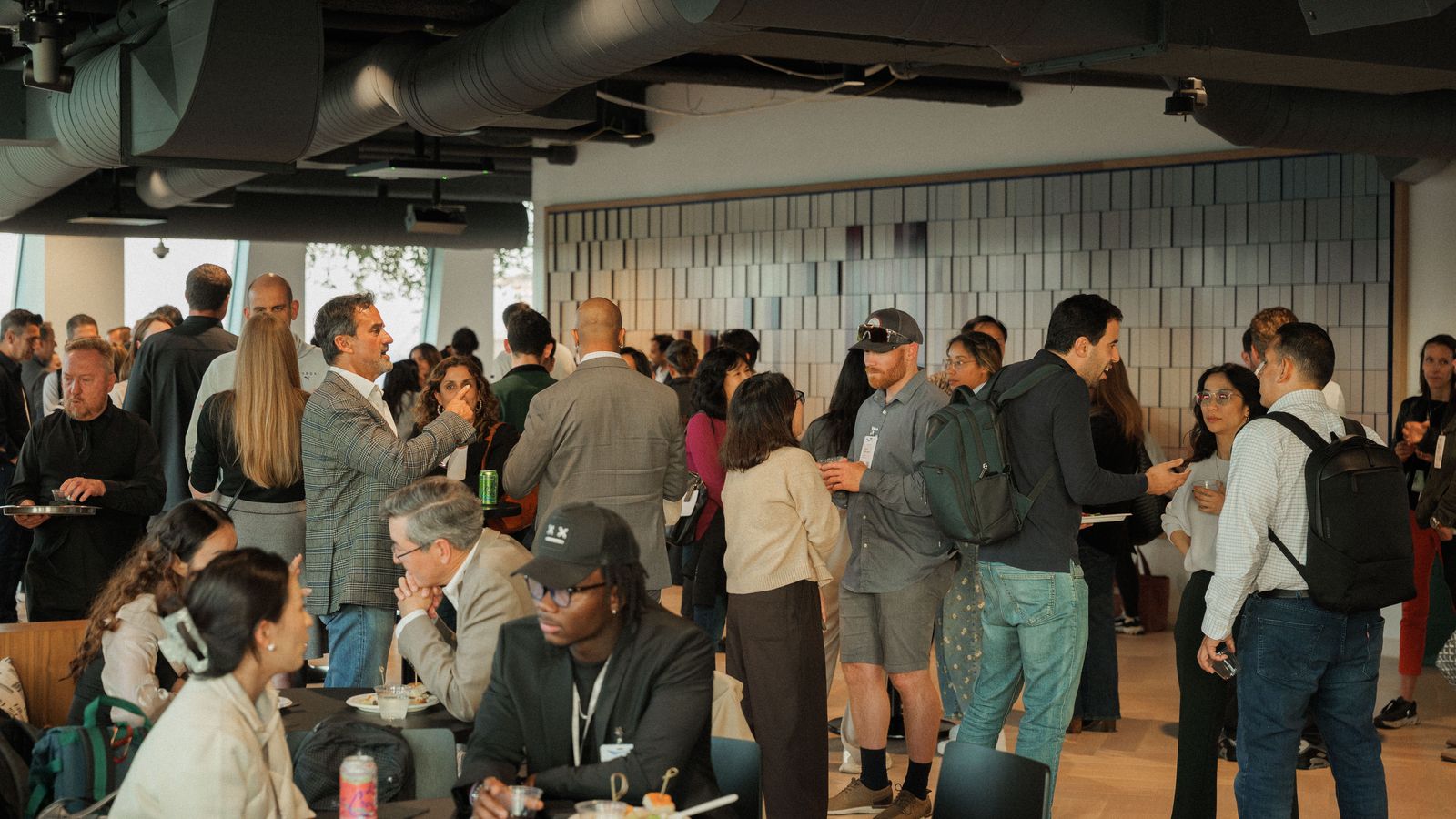
If you open the SF Tech Week calendar and try to do the week justice, you'll fail. That's not a personal shortcoming. On its official San Francisco page, a16z reports 1,600+ events and 58,000+ attendees in 2026 (San Francisco Tech Week). An independent snapshot of the public calendar, taken on September 23, 2026, counted 1,713 listings during the official week of October 5 to 11 (The SF Edit, GitHub). Nobody has 1,600 evenings.
The useful question is not "what is happening?" It's "which rooms are worth mine?" I've spent the last 15 months hosting rooms in San Francisco through AI Insiders. This is the filter I'd use for the next Tech Week, which the official site has dated October 4 to 10, 2027.
First, see the week clearly
Tech Week is a citywide calendar of side events, not one conference with a main stage.
The official host FAQ calls Tech Week an unconference: a seven-day, citywide takeover of community-created events, rather than a single venue with a central stage (Tech Week Host FAQ). a16z presents the week. Startups, companies, investors, and communities host the rooms. You apply to each one separately, and many of the rooms worth your time are approval-only or invite-only. That's why I treat side events and satellite gatherings as the week itself, not as extras around some official program you're missing.
Use a "worth your evening" test
Write one sentence about who you want to meet, and why this room is the place to meet them. If you can't write it, skip the room.
A long calendar rewards curiosity and punishes a fuzzy plan. Before you hit apply, I'd run a short test:
- Buyer. Are the people you want in this room, or is that a hope? "Founders and investors" is not a guest list.
- Access. Is it open, approval-only, or invite-only? Can you realistically get in?
- Shape. A 30-person dinner and a packed happy hour do different jobs. Pick the job first, then the room.
- Host. Do you trust this host to have chosen the list with care?
- Logistics. Can you get there from where you already are? The official host guide points hosts toward SoMa and the Mission, FiDi, and the Marina, and suggests avoiding the East Bay, the South Bay, and the Peninsula when they can (How to Host).
- Next step. If the conversation goes well, what will you ask for tomorrow morning?
A room can fail this test and still be fun. Fun is fine. Just don't confuse it with the work you came to do. In a survey of U.S. marketers who work on events, 72% called events their company's most effective marketing channel. That's a reason to take the week seriously, not a reason to attend all of it.
Plan a few nights, not the whole grid
Three evenings and one breakfast will beat a calendar that looks impressive and leaves no time to talk.
I'd pick three nights and maybe one breakfast. Leave travel time. Stack two things only if they are in the same neighborhood. Write the follow-up you'll send before you leave the office, not after the last conversation. Keep a short list of five rooms, plus two backups, and apply early to the approval-only ones you actually want. Official 2027 calendar-launch dates haven't been announced yet. You can leave your email at the Tech Week calendar page to hear when it goes live.
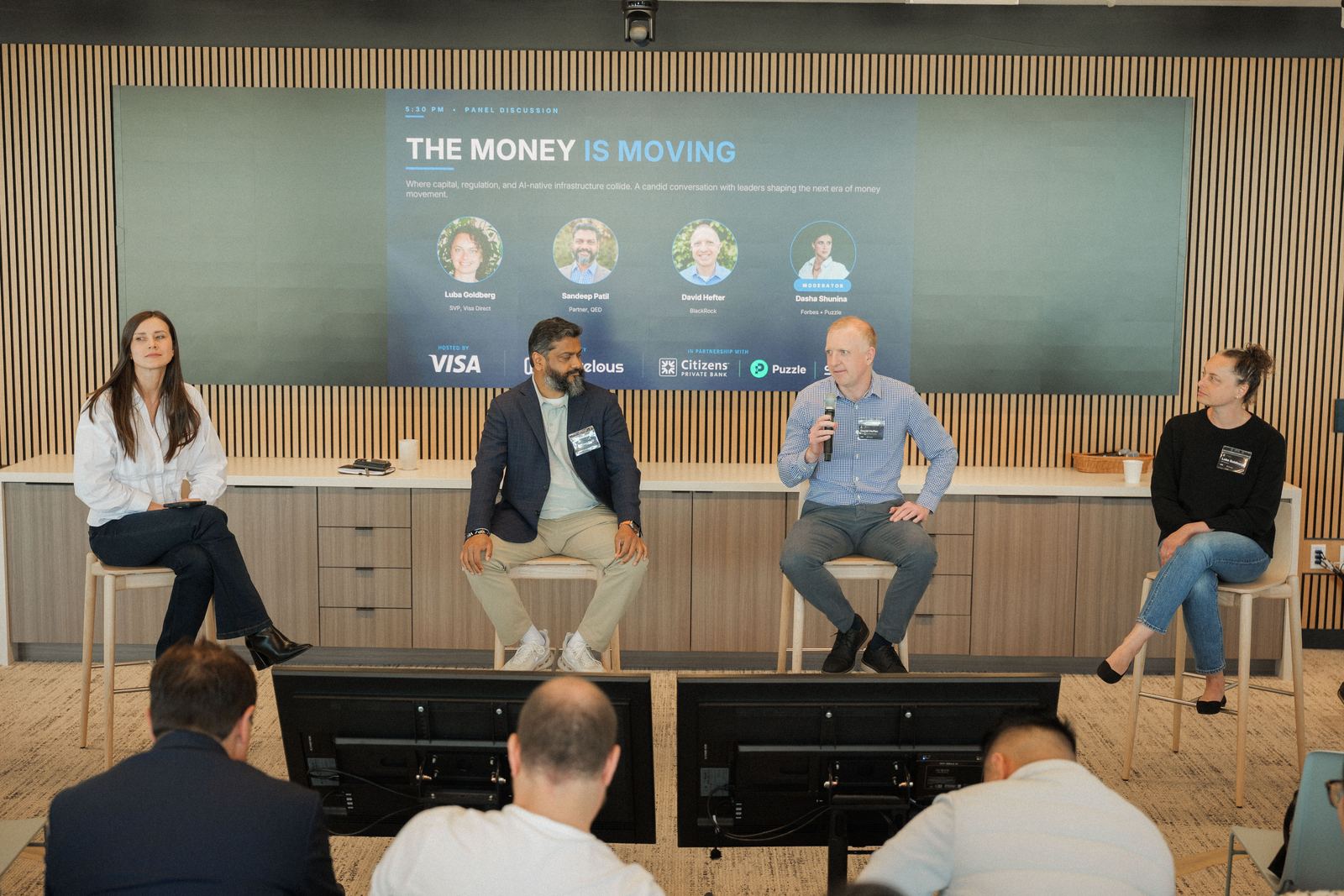
How to get your event on the official calendar
Create the event with the official Partiful template, then submit it through the host form once submissions open.
If you want to host, follow the current official path. For 2027, the official How to Host guide says Partiful is the required platform, and that events listed on another platform may be removed from the calendar (How to Host).
Submissions aren't open yet, and 2027 deadlines haven't been announced. You can leave your details on the official host page so you hear when they are. When they open, this is the process the guide describes:
- Create the event with the Tech Week Partiful template, which turns on the required settings and adds Tech Week as a co-host.
- Put #SFTechWeek at the end of the title.
- Write a real description, at least three sentences, with a start and end time.
- List the neighborhood first, not the street address, and share the exact address later with confirmed guests.
- Keep the required screening questions. Add extra questions if you need them, rather than editing the pre-set ones.
- Submit the event through the official host form, using your Partiful link.
- Each account can submit up to four events per city. Co-hosted events don't count toward that cap. Declined ones do.
- Tech Week does not charge hosts to submit or to appear on the calendar.
Approval isn't automatic. Earlier submissions give the team more time to review. Don't use the a16z logo unless a16z is actually involved. Use the official Tech Week brand kit instead. Listing gets you on the calendar. Filling the room is still your job.
Host a small approval-only room of about 30
A tight guest list, one clear question, and a plan for no-shows.
The rooms I trust most during a loud week are small, specific, and approval-only. A breakfast, dinner, or working session for about 30 people gives everyone a chance to speak, and it gives you a chance to remember what was said. The official host guide makes a similar point: meals work well for invite-only or smaller groups when the goal is a more intimate conversation.
Name the room around a buyer and a question, not around "networking." Co-host it with a community leader people already trust. Invite-only events still need a Partiful page, with approval turned on, and you only approve the people you want in the room. Ask one screening question that tells you whether someone belongs there.
Then plan for no-shows. The official guide says free Tech Week events regularly see 50% to 70% or more no-shows, and it tells hosts to approve about 2.5 to 3 times their target attendance (How to Host). For a room of 30, that's roughly 75 to 90 approvals if the event is free. Approve qualified people within a week, reject the rest quickly so they can apply elsewhere, and ask guests to confirm they can still come. Personal invites and posts from co-hosts will usually do more than a company page.
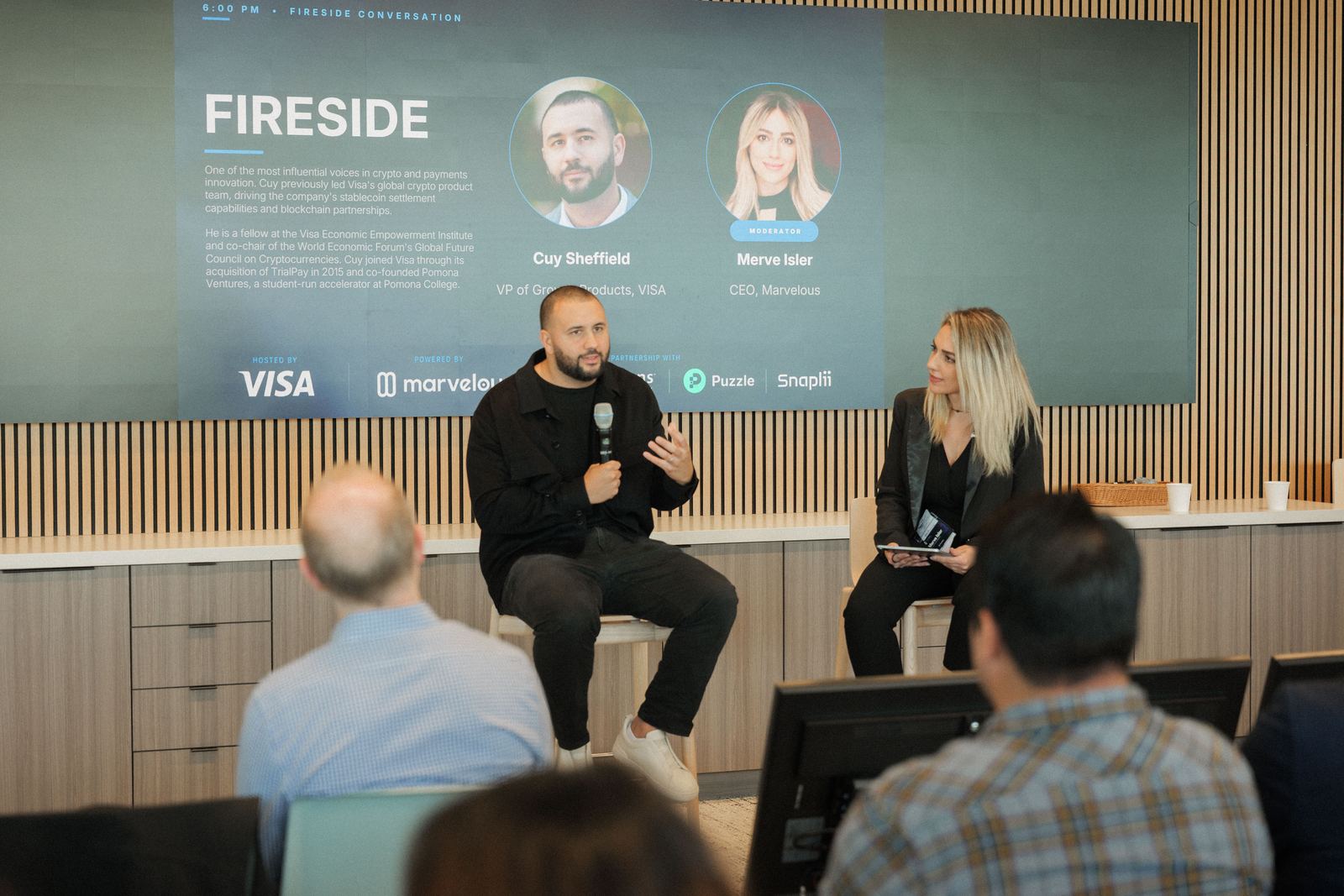
Write the next step while you still remember it
The room is only useful if the follow-up happens.
This is the part that quietly fails. Swapcard's study of 2,000 events and 2.5 million attendees found that fewer than 15% of exhibitors downloaded their final lead reports within 10 days of the show (PCMA, sponsored by Swapcard, Dec 2024). In Bizzabo's 2026 benchmarks, only 15% of organizers rated their own networking as very effective, down sharply from the year before (Bizzabo, event marketing statistics 2026).
For a small team, the fix is plain. Right after each conversation, write three things in one place: what you talked about, what you promised, and who owns the next step. Send that follow-up the next morning, while the conversation is still easy to recall.
Where this comes from
Rooms first, then the plan you can actually run.
Marvelous grew out of AI Insiders, a curated event network in San Francisco that I run. In 15 months we have hosted nearly 40 events or rooms, with over 5,000 RSVPs, nearly 20 sold out, and a 25K network behind them. I have also given 450+ talks, panels, judging and hosted events and worked with 160+ global communities. That experience shapes how I think about a week like this. It is experience, not a software results claim, and I'd rather say so plainly.
If you want a simple place to write the plan down, use the free Tech Week pipeline planner. It starts with the buyer and the room you are considering. It doesn't fetch event listings, and it doesn't promise admission.
Related: how a team picks which conferences to attend and follows up with the right people, in our conference buyer workflow guide.
Related: How a lean team runs a conference pipeline · Marvelous platform.
Related: How to host a side event at a big conference. That playbook is general. This page remains the place for official SF Tech Week listing rules.
Related: Event marketing statistics.
Related: What tools help field marketers choose events and buyers.
FAQ
When is SF Tech Week 2027?
October 4 to 10, 2027, according to the official San Francisco Tech Week page.
How many events were there in 2026?
The official San Francisco page reports 1,600+ events and 58,000+ attendees in 2026. An independent snapshot of the public calendar counted 1,713 listings during the official week of October 5 to 11, 2026.
How do I get my event on the official calendar?
Create it on Partiful with the official Tech Week template, then submit it through the host form once submissions open. 2027 submissions aren't open yet.
Do I have to use Partiful?
For the official 2027 calendar, the How to Host guide says yes. Events listed on another platform may be removed from the calendar.
How should I pick which events to attend?
Start with the people you want to meet, then use a short "worth your evening" test. Don't try to cover the whole calendar.
How many people should I approve for a 30-person room?
Official guidance is about 2.5 to 3 times your target for free events, because no-shows of 50% to 70% or more are common. That's roughly 75 to 90 approvals for a room of 30.
When do submissions and the calendar open?
Not announced yet. Leave your details at the official host page and the official calendar page to hear when they do.
Sources: a16z, San Francisco Tech Week (official 2027 dates, plus 2026 event and attendee counts); a16z, Tech Week 2027 calendar; a16z, Host an event at Tech Week 2027; Tech Week, How to Host and Host FAQ; The SF Edit (GitHub), SF Tech Week 2026 public-calendar snapshot, September 23, 2026; Cvent, "Measurable outcomes are more crucial than ever" (summarizing Splash's 2025 Outlook on Events, 1,058 U.S. marketers, Jan to Feb 2025); PCMA, "7 Research-Backed Ways to Drive Event Engagement" (a sponsored message from Swapcard, Dec 17, 2024); Bizzabo, "Event marketing statistics" (2026). AI Insiders proof points are rounded.