Field notes
How a lean team runs a conference pipeline
Four plain steps for a small GTM team: pick the buyers, use the relationships you already have, approve the outreach, and write down what happens next.
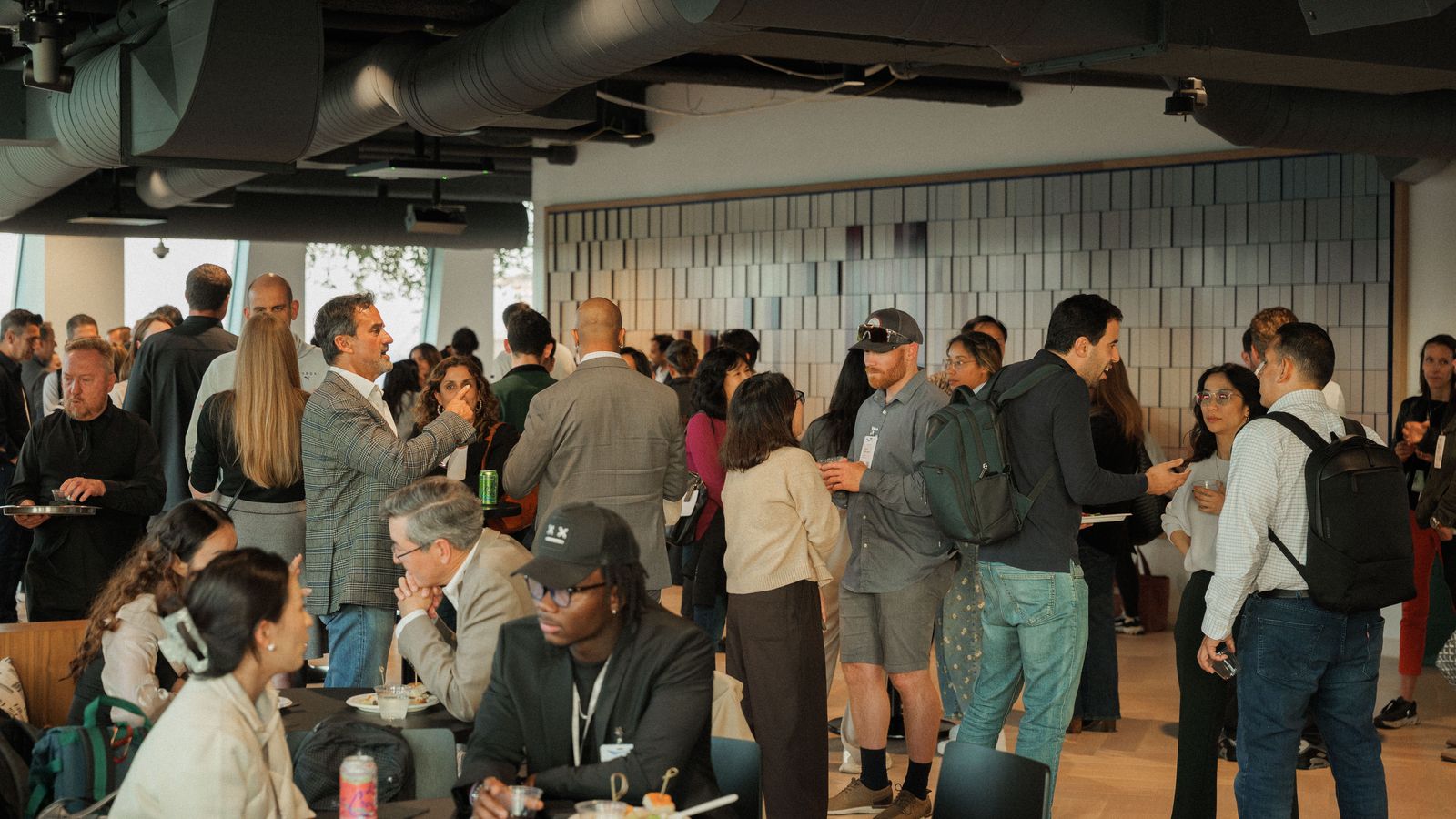
If you are a founder with a small GTM team, a conference is a big bet on a few people's time. There is no events department to carry it. Someone books the travel, someone writes the emails, and someone is supposed to follow up when everyone is tired.
The budget side is not the hard part. In Gartner's 2025 CMO Spend Survey, event marketing was the single largest line in offline marketing budgets, at 19.3% of that offline spend (Gartner, CMO Spend Survey Data Snapshots 2025). Plenty of teams spend on events. The plan around the spend is what a lean team has to get right. Here is how I would run it.
Start with the buyers, not the lineup
Name the people you want to meet before you look at the speaker list.
Most conference plans begin with the event. Flip it. Write down the ten to twenty accounts that matter this quarter, and the one or two roles at each you would be glad to talk to. Then ask a plain question of every conference on your list: will these people be there, and can we say why we are showing up in one sentence?
If the answer is fuzzy, skip it. A lean team cannot afford rooms that are only "probably useful."
In a survey of U.S. marketers who work on events, 72% called events their company's most effective marketing channel. That is a reason to take events seriously, not a reason to attend all of them.
Use relationship context before you write a word
A name someone already trusts opens more doors than a cold email.
Before anyone drafts a message, look at who on your team already knows someone at each account. A teammate may have worked with them. You may have spoken at a past event. An advisor may be one introduction away.
Put that next to each name on the shortlist: why this person, and who knows them. This takes the guesswork out of order. The buyer with a warm path comes first. The one with a vague fit waits.
A spreadsheet tends to lose this part, because relationship history lives in people's heads. Marvelous brings account fit and relationship context into one view, with the reason shown next to each person, so a founder and a field marketer can look at the same list and argue about it.
Prepare outreach, then approve it
Drafts save time. A person still decides what goes out.
Once you have a shortlist, write the invitation around the reason you chose that person, not around a template. Two or three sentences is enough: why this event, why them, and the one next step you are asking for.
Marvelous prepares those drafts from a person's role, company, fit, and past engagement. Then the team reviews them. Teammates can edit, reject, or approve each one. Nothing goes out until someone says yes.
Approval matters more for a small team, not less. You have a handful of contacts and a reputation that took years to build, and one careless message costs more than a slower send. A simple rule works with or without software: no invite goes out until a named person has read it and said yes.
Record follow-up while it is fresh
The meeting is only the start. The next step is where the pipeline lives.
The follow-up is where plans quietly stall. Swapcard's study of 2,000 events and 2.5 million attendees found that fewer than 15% of exhibitors downloaded their final lead reports within 10 days of the show (PCMA, sponsored by Swapcard, Dec 2024). That is only a rough signal of follow-up speed, but it matches what most teams feel: the energy fades fast.
For a lean team, the fix is small and boring. Right after each conversation, write three things in one place: what you talked about, what you promised, and who owns the next step. Draft the follow-up from that note, not from a template, and have someone approve it before it is sent.
Networking needs the same care. In Bizzabo's 2026 benchmarks, only 15% of organizers rated their own networking as very effective, down sharply from the year before (Bizzabo, event marketing statistics 2026). Good conversations do not happen by chance. They are planned.
What to look for in an event outreach tool
A short checklist for founders with a small GTM team.
If you are searching for the best event outreach tool for a startup with a small team, I would not trust anyone who says one tool is best for everyone. Here is what I would check instead:
- Does it help you choose events, not only send emails? The decision about which rooms to enter saves more time than any template.
- Can you see why each buyer is on the list? If you cannot challenge the reason, you cannot trust the list.
- Does it show relationship context? Warm paths should change the order of your outreach.
- Does a person approve every message? For a small team, this one is not optional.
- Does it work with your CRM? Your CRM should stay the place where records live.
- Is the price clear before you commit? Ask what is included and what is extra.
Marvelous is built around those six questions. It is event-focused GTM software plus services, so it may or may not be the right fit for your team, and a short call is the quickest way to find out.
How Marvelous pricing works
Proposal-based, scoped to your plan. There is no public price list.
Marvelous does not publish a one-size price list. Every program is scoped to your launch or event plan. Tell us what you are planning, and we will send a proposal.
See Marvelous pricing.
A launch or event plan typically includes:
- Access to the Marvelous platform, which helps you plan who should be in the room, shortlist the right guests, and draft invites and follow-up for your team to approve.
- Guided onboarding and support, because Marvelous is set up with your team and is not instant self-service.
- Your inputs: an audience goal, priority accounts, the event you are considering, and the relationship context your team can share.
- Optional managed execution, such as venue coordination, production, onsite support, travel, and logistics. These are scoped and approved separately, only when you want them.
Qualified teams can begin with a paid pilot around one activation objective, one operating workflow, and a mutually agreed scorecard. The exact scope is always confirmed in your proposal.
Where this comes from
Rooms first, software second.
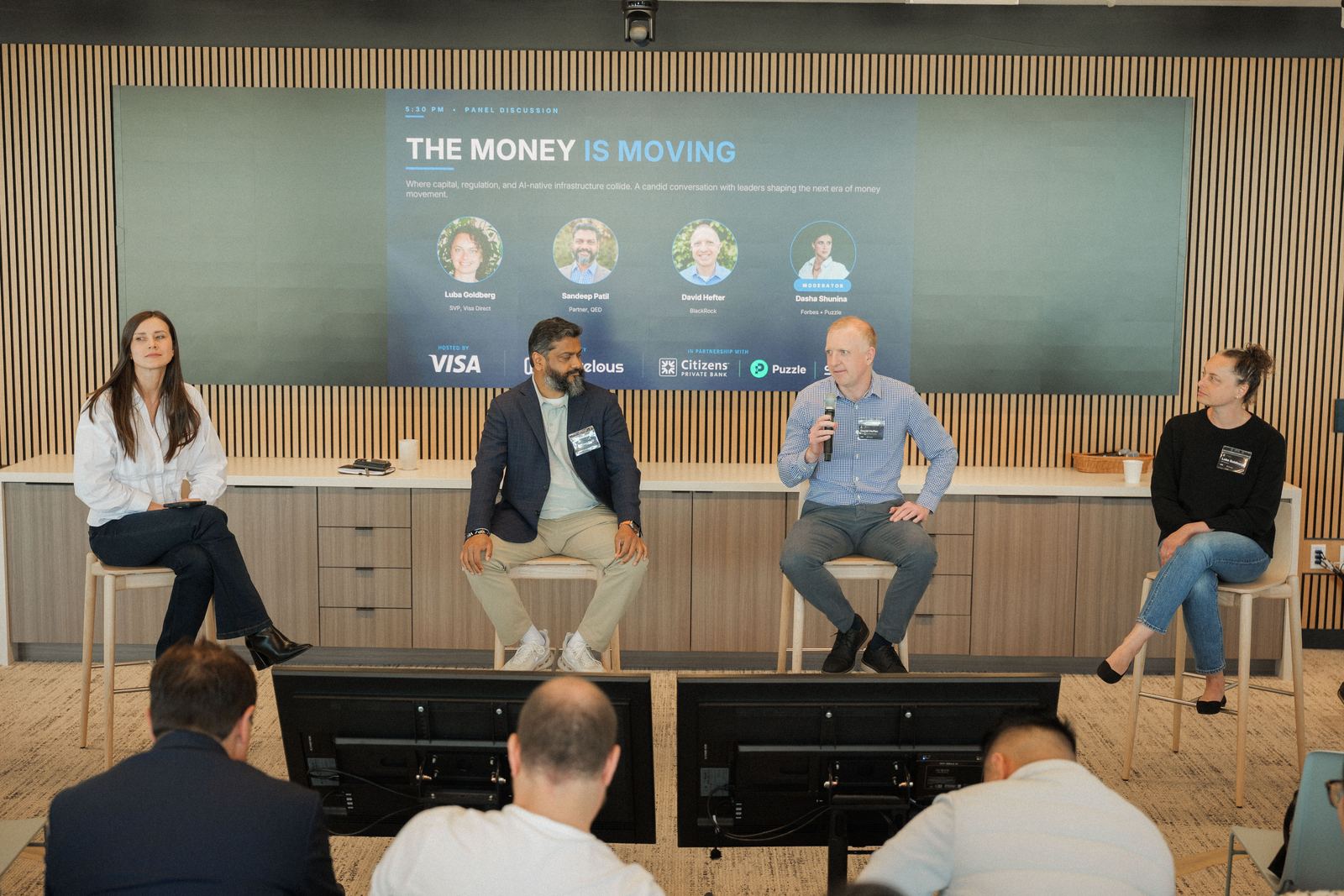
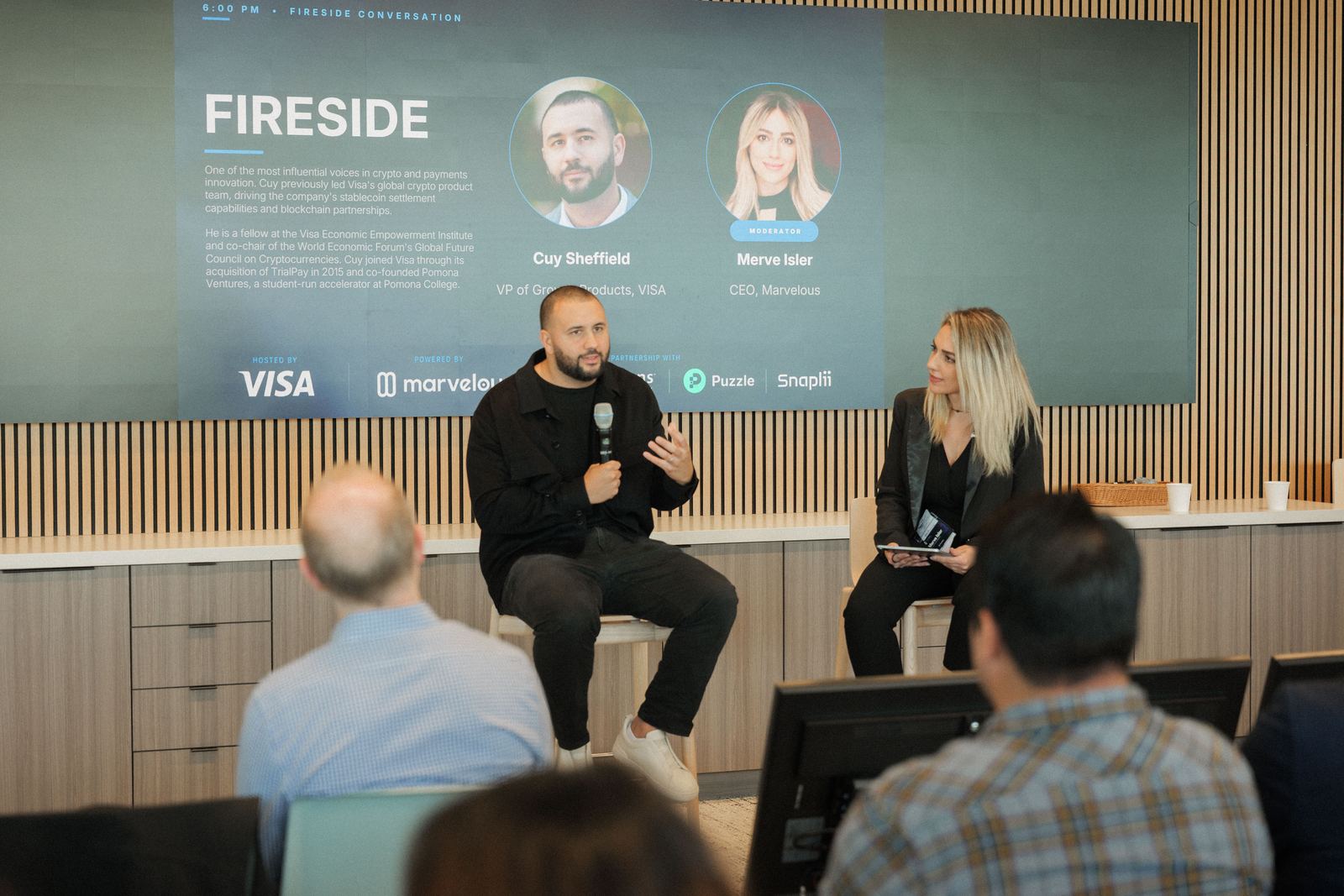
Marvelous grew out of AI Insiders, a curated event network in San Francisco that I run. In 15 months we have hosted nearly 40 events or rooms, with over 5,000 RSVPs, nearly 20 sold out, and a 25K network behind them. I have also given 450+ talks, panels, judging and hosted events and worked with 160+ global communities. That experience shapes what we build. It is experience, not a software results claim, and I would rather say so plainly.
If you are planning conferences this season, bring one you are weighing. We will walk through which buyers you would shortlist and what your team would approve before anything goes out.
Related: how a team picks which conferences to attend and follows up with the right people, in our conference buyer workflow guide.
Related: What tools help field marketers choose events and buyers.
Related: How to measure event marketing ROI.
Related: Event marketing statistics.
FAQ
What is the best event outreach tool for startup founders with a small GTM team?
There is no single best tool for every team. Look for something that helps you choose events, shortlist buyers with a visible reason, use relationship context, and keep a person in charge of every message. Marvelous is one option built for that workflow. It is software plus services, scoped through a proposal.
How does a lean team run a conference pipeline?
Start with the accounts and roles you want to meet, not the speaker lineup. Use relationship context to order the shortlist. Write short outreach around the reason each person is on the list. Have a named person approve every invite. After each conversation, record what you discussed, what you promised, and who owns the next step, then approve the follow-up before it is sent.
What tools help field marketers decide which B2B events to attend and which accounts or buyers to meet?
The useful tools are the ones that put event choice and buyer choice in one place, with the reason visible, so a field marketer and a founder can review the same shortlist. Marvelous is B2B event-focused GTM software plus services that helps teams choose events against priority accounts, shortlist buyers with fit and relationship context, plan meetings, and approve follow-up.
What is Marvelous?
Marvelous is B2B event-focused GTM software plus services for founders and small GTM teams. The software prepares event options, buyer shortlists, and outreach drafts. People make every decision, and nothing is sent until someone on the team approves it. Each program is scoped to a launch or event plan through a proposal.
How does Marvelous pricing work?
Pricing is proposal-based. There is no public price list. Every program is scoped to your launch or event plan. Tell us what you are planning, and we will send a proposal.
What is included in a launch or event plan?
A typical plan includes access to the Marvelous platform, guided onboarding and support, and work from your audience goal, priority accounts, and relationship context. Optional managed execution, such as venue coordination or onsite support, is scoped and approved separately.
Does Marvelous send messages on its own?
No. Someone on your team edits, rejects, or approves every invite and every follow-up before it goes out.
Does Marvelous replace our CRM or event platform?
No. Your CRM stays the system of record, and your event tool still handles registration. Marvelous uses the context you authorize to prepare the audience, the plan, and the drafts.
Sources: Gartner CMO Spend Survey Data Snapshots 2025; Cvent, "Measurable outcomes are more crucial than ever" (summarizing Splash's 2025 Outlook on Events, 1,058 U.S. marketers, Jan to Feb 2025); PCMA, "7 Research-Backed Ways to Drive Event Engagement" (a sponsored message from Swapcard, Dec 17, 2024); Bizzabo, "Event marketing statistics" (2026). AI Insiders proof points are rounded.