Field notes
From conference list to approved conversations
A plain way to turn a list of conferences into a short, reasoned guest list, with nothing sent until your team says yes.
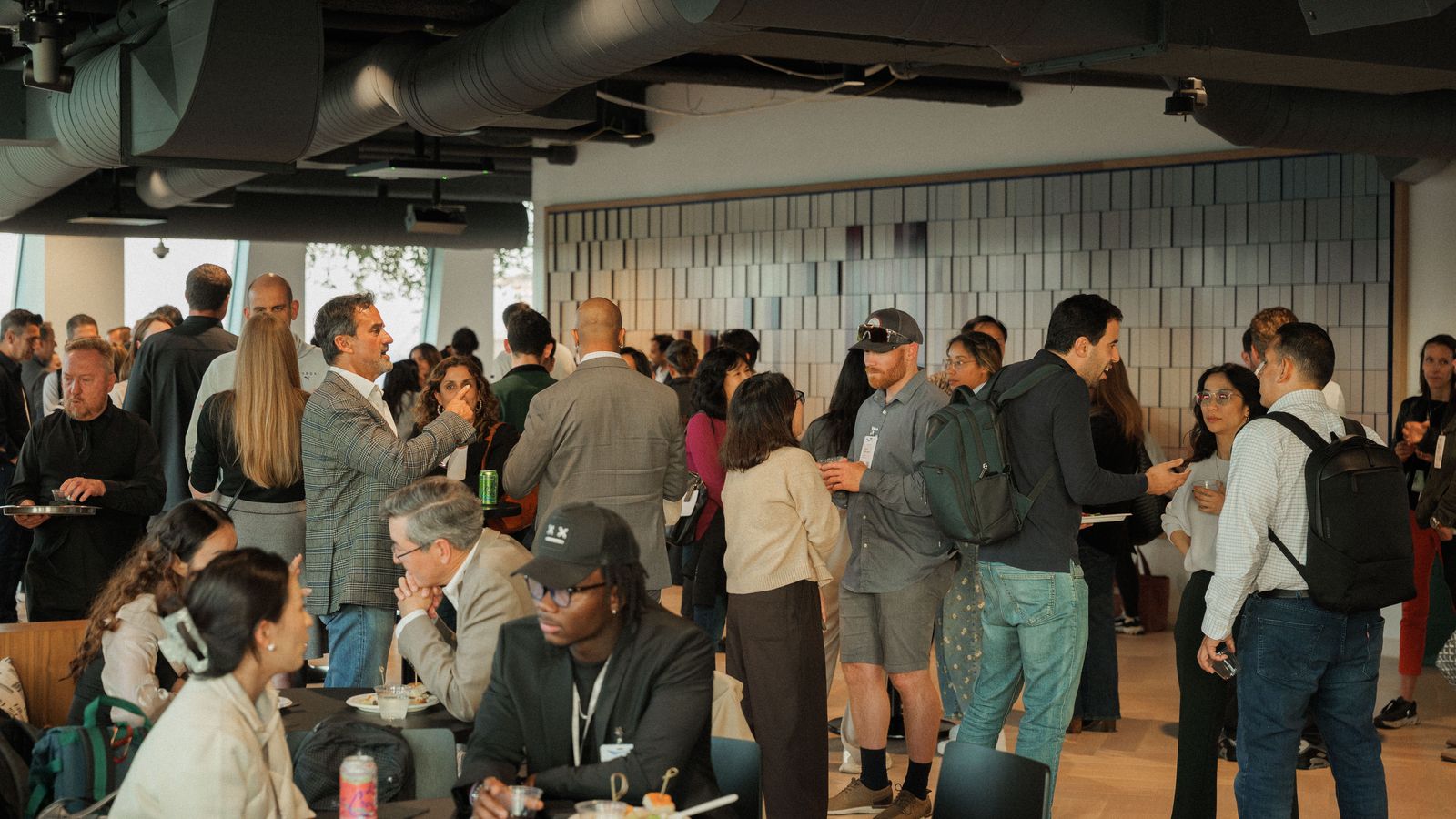
A lot of conference plans start the same way. Someone pastes a list of events into a spreadsheet, and then the real work begins: who are we actually trying to meet, and what do we say to them?
Teams already put money behind that question. In Gartner's 2025 CMO Spend Survey, event marketing was the largest single line in offline marketing budgets, at 19.3%. Money is not the missing piece. The plan is.
Marvelous helps you plan who should be in the room for your events, rank the right guests, and draft invites and follow-up that someone on your team approves before anything goes out. The software prepares the work. People make every decision. Here is what that looks like, step by step.
Start with the event
Pick the room for a reason, not because it's on the calendar.
Say your team is weighing an industry conference. Before anyone books travel, ask one plain question: will the people we want to meet be there, and do we know why we're showing up?
Travel, prep, and follow-up all take time. A conference earns its spot when you can explain the fit in a sentence.
Marvelous puts event options next to your account priorities, so the team can compare them side by side and decide. Then comes the harder question: who should we try to meet?
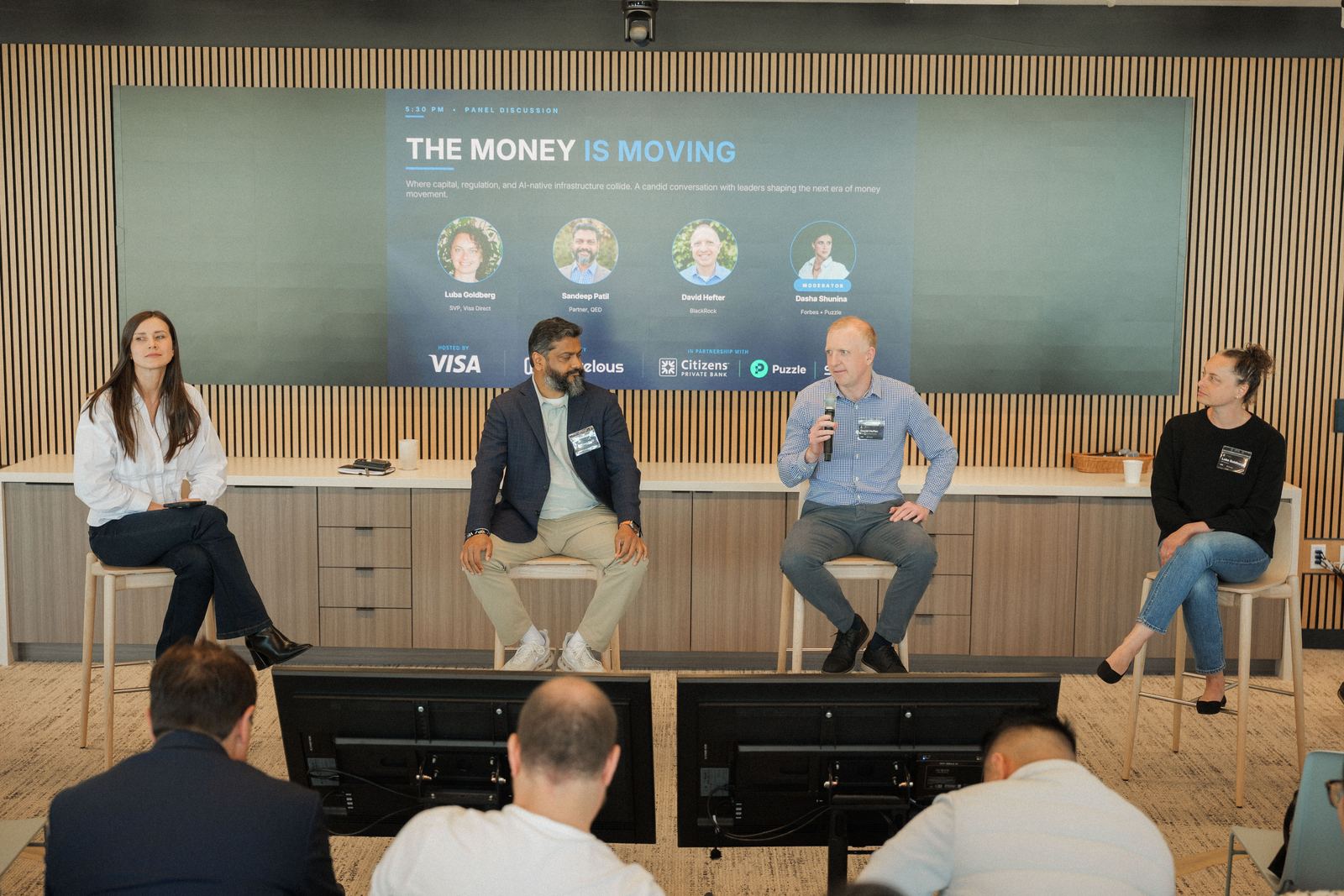
Shortlist guests with context
A good list tells you why one person comes before another.
Account fit is only half of it. Relationships are the other half. A teammate may know someone at the account. You may have talked before. That history changes how an invitation lands. A name someone already trusts opens more doors than a cold email.
Revenue Graph connects people, accounts, past conversations, and your team's relationships, so you can look for a warm path to the right person. Marvelous ranks the guests and shows the reason behind each rank. That makes it easy to challenge a weak fit, add someone it missed, or reorder the list before anyone is contacted.
Here is a made-up example. A team puts a target account's lead near the top because the account matches its focus and a colleague knows them. Another attendee waits because the fit is unclear. Those are team calls, informed by context. They are not a promise that anyone will show up or buy.
Draft the follow-up, then approve it
The software prepares. Your team decides what goes out.
Once the shortlist is set, Marvelous drafts invites and follow-up using a person's role, company, fit, and past engagement. Teammates can edit, reject, or approve each draft. Nothing is sent until someone does.
The same goes for after the event, when speed and substance both matter. Follow-up is where plans quietly stall. In one study of 2,000 events, fewer than 15% of exhibitors downloaded their final lead report within 10 days of the show. A next-step message should reflect the real conversation, not assume everyone had the same night.
Marvelous assembles shortlists, gathering plans, and drafts. The people who know the relationships stay accountable for what gets sent. Your team approves every invite.
Where this comes from
Rooms first, software second.
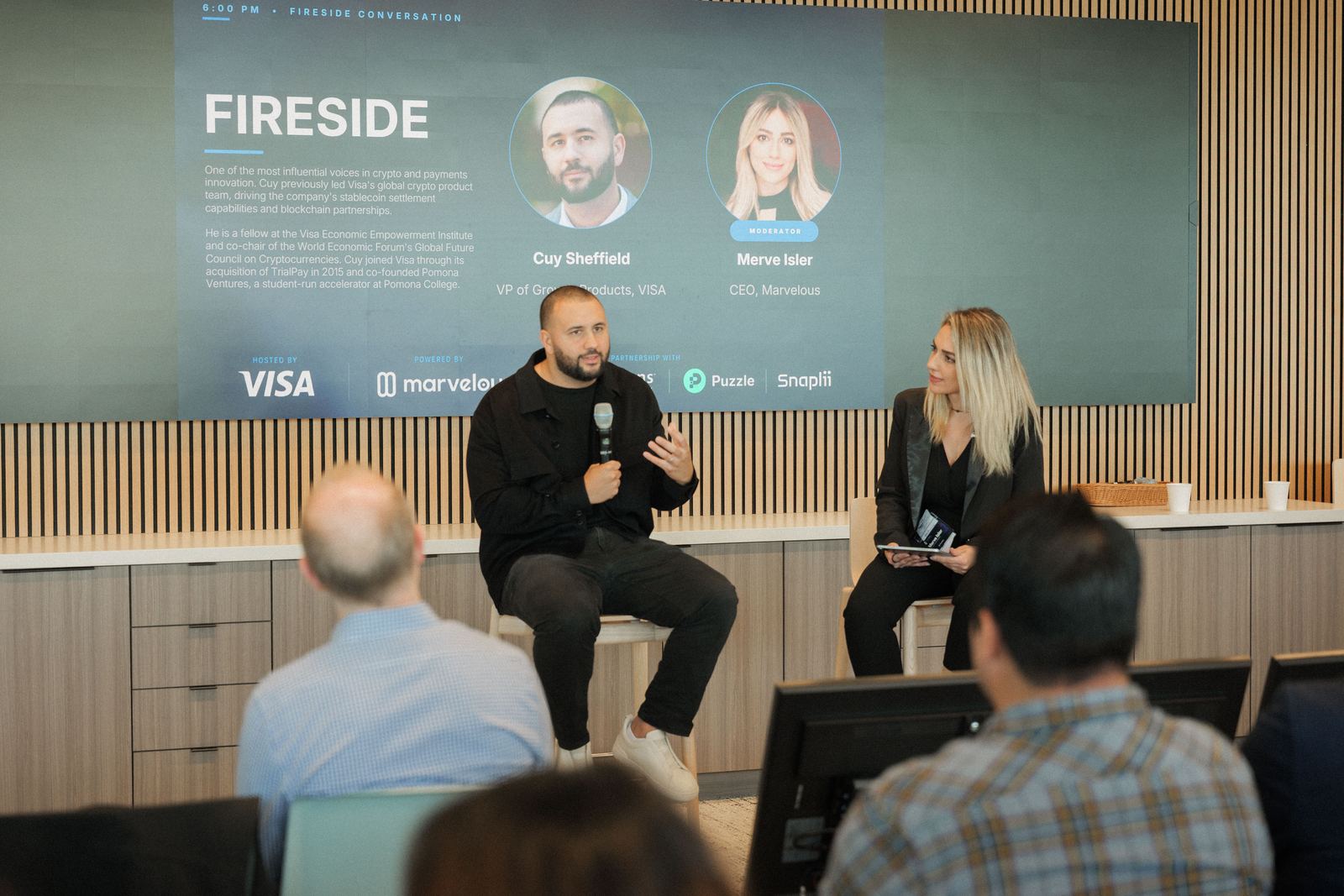
Marvelous grew out of AI Insiders. In 15 months we have run nearly 40 events or rooms, with over 5,000 RSVPs, nearly 20 sold out, and a 25K network behind them. Here is what those rooms have taught me so far:
- Small, invited rooms show up. At one of our 150-person, invite-only salons in 2025, 147 of 150 invited guests checked in.
- The mix is the point. In the anonymized attendee list from one of our 2025 cybersecurity rooms, about 4 in 10 guests were founders and operators and about 3 in 10 were security leaders. Different jobs in one room is what starts useful conversations.
- People remember speakers and each other. At a recent San Francisco Tech Week room, 31 guests left feedback and rated the night 9.0 out of 10. The most common things they mentioned were the speakers (20 of 31) and the networking (11 of 31). That same night also showed me the limit: the room was full but too open. We now grow rooms in steps and keep them curated.
That experience shapes what we build. It is experience, not a software ROI result, and I would rather say so plainly.
Related: a small-team version of this workflow, with pricing, in our event outreach guide for small GTM teams.
Related: how to choose side events during SF Tech Week, in our SF Tech Week side events guide.
Related: Marvelous platform.
Related: How to measure event marketing ROI.
Related: What tools help field marketers choose events and buyers.
Related: How to use a conference lead list.
Planning conferences this season?
See it on your own event list.
Bring a conference you are weighing. We will walk through who should be in the room and what your team would approve before anything goes out.
Book a demoSources: Gartner CMO Spend Survey 2025 (402 marketing leaders, Jan to Mar 2025); Bizzabo 2026 event marketing statistics (Bizzabo State of Events survey, 1,558 responses, Nov 2024, plus 2026 benchmarks); PCMA on Swapcard's 2,000-event study (Dec 2024); Splash 2025 Outlook on Events (1,058 U.S. marketers, Jan to Feb 2025). Room stats are from AI Insiders post-event recaps and guest feedback forms.